Silky Drum
a wholesale coffee shop connected to 1C
I built the WooCommerce wholesale flow from supplied designs and connected product imports, orders and invoice PDFs to the company’s 1C workflow.
- Field
- Coffee wholesale / Russia
- Built with
- WordPress / WooCommerce / JavaScript
- Project year
- 2024–2025
The challenge
The coffee roaster’s growing wholesale audience needed a separate ordering channel from its consumer shop. Supplied designs had to become a working WooCommerce storefront connected to the company’s 1C accounting workflow.
The approach
I implemented the supplied catalogue, product, basket and checkout designs in WooCommerce. I connected products and orders to 1C, then added PDF invoice generation and email delivery on the website side.
How orders and invoices move between systems
An explanatory diagram of the documented work, not a screenshot of the product or a complete system architecture.
Product catalogue
- 1C product records
- GUID matching
- WooCommerce products
Order and invoice
- WooCommerce order
- 1C invoice and fulfilment documents
- Website-generated PDF
- Email to the customer
The project, in detail
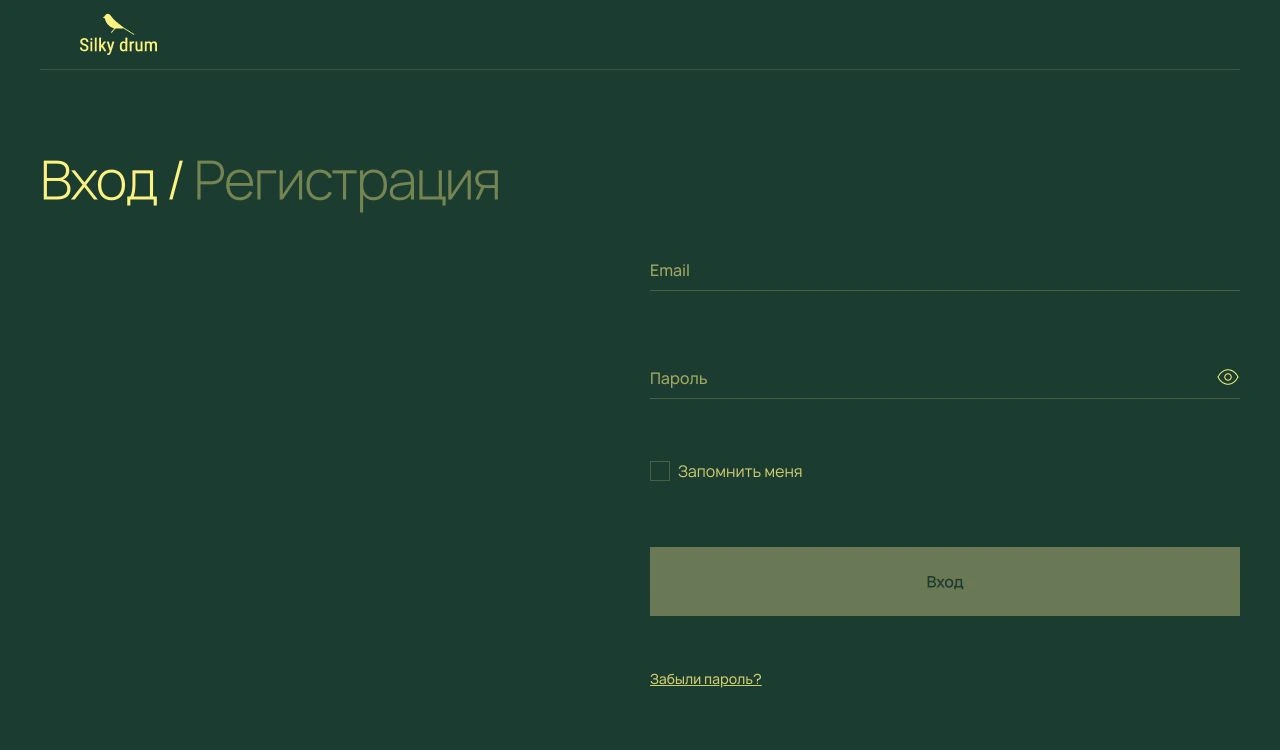
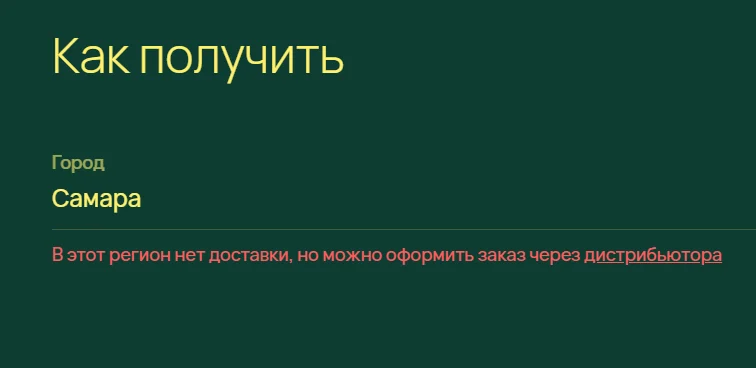
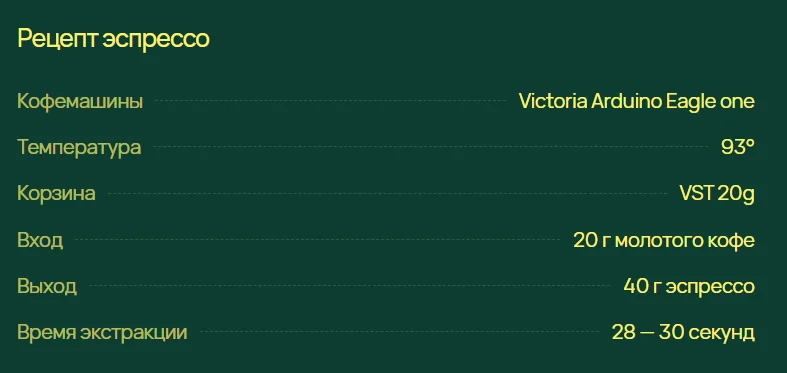
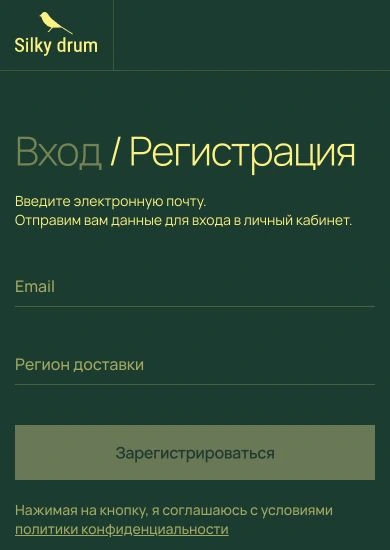
Public login and registration screens from October 2026 accompany images from the original store manual. The catalogue requires an account, so customer orders, invoices and private account pages are not shown. Original Russian text is retained.
A separate shop for wholesale buyers
I built custom WooCommerce templates for the wholesale purchase flow using designs supplied by another team. The public account screens shown here are from October 2026. They show the entry point; the catalogue and customer orders require login.

The same product in WooCommerce and 1C
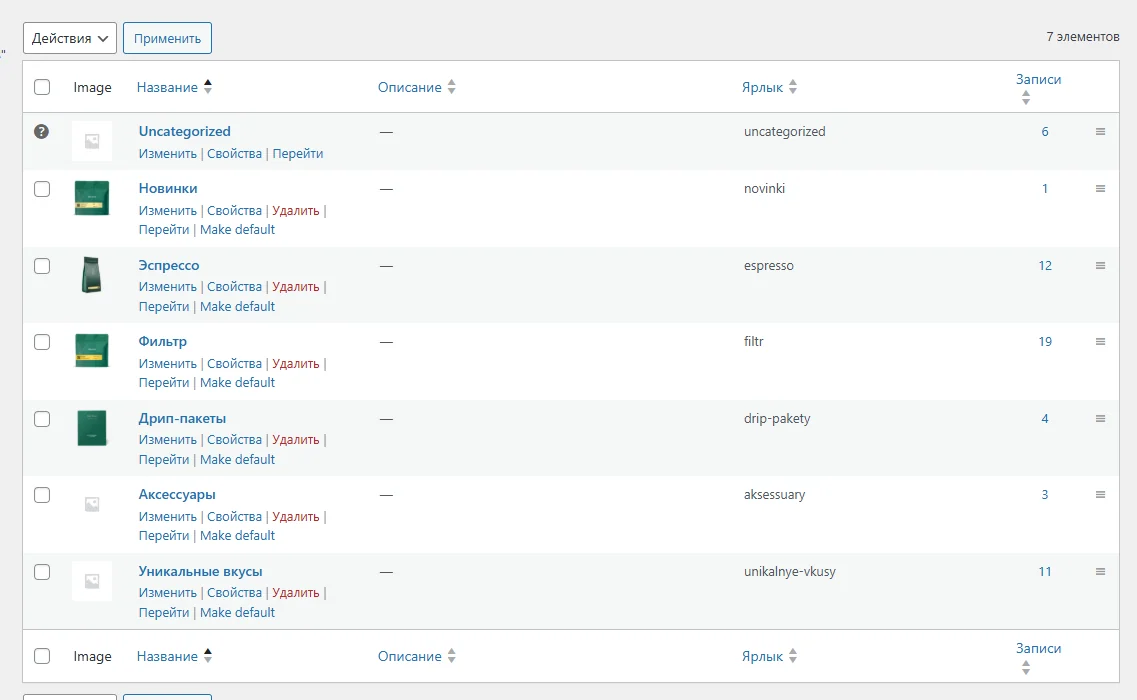
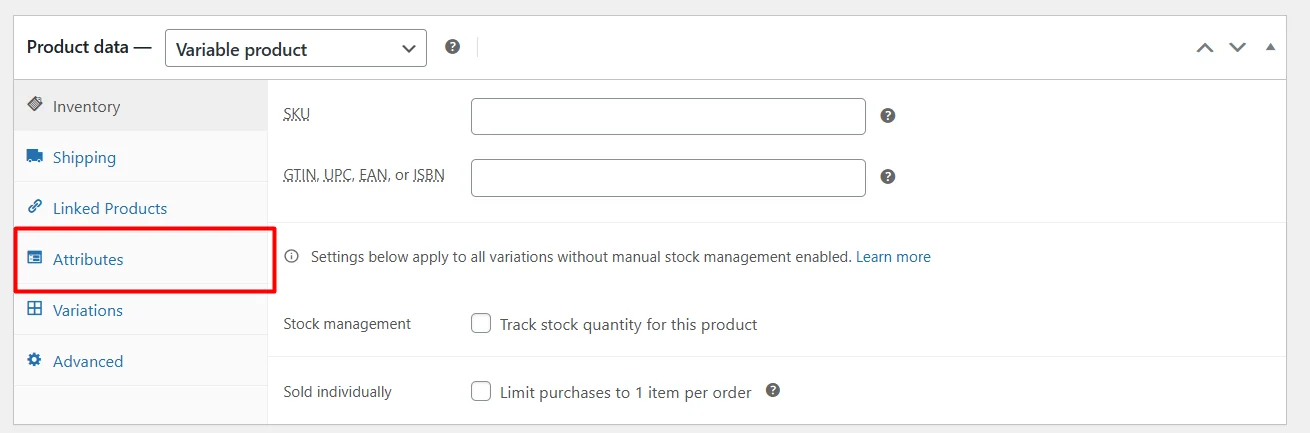
I matched imported products by their GUID identifiers. The store can refer to the same item as the accounting system even when the visible product name changes. The archive screens show product editing and variants from the original store manual.
Orders that lead to an invoice
I sent new orders to 1C, where the invoice and fulfilment document were prepared. On the website, I generated the invoice PDF and sent it to the customer by email. The diagram explains this exchange without exposing real customer documents.
On a smaller screen
Real phone-sized browser captures from October 2026. They show the current site; content and product details may have changed since delivery.
The outcome
A wholesale purchasing flow connected to product records, orders and invoice documents in 1C.
Details of Silky Drum
How did the wholesale shop stay aligned with 1C?
Products were matched by GUID identifiers. New orders went to 1C, and the resulting invoice documents returned to customers as PDFs by email.